
faq
blue thunder frequently asked questions
Featured Questions
General Questions
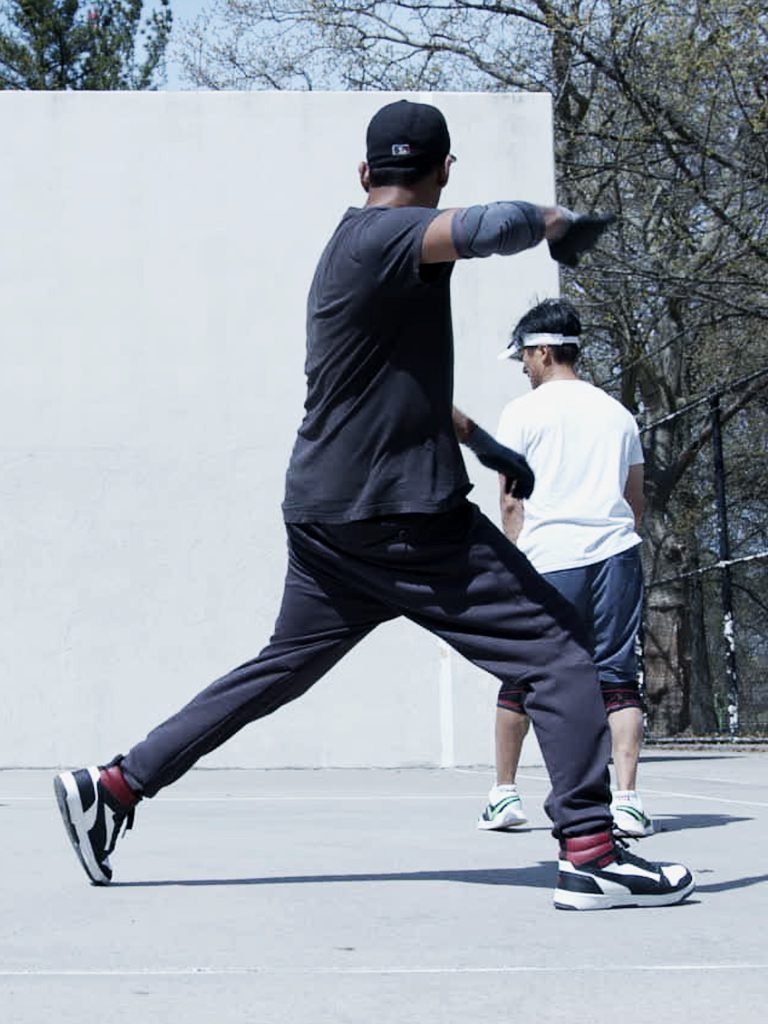
One wall handball is a variation of handball played against a single wall, either indoors or outdoors. Players hit a small rubber ball with their hands, aiming to make it bounce in a way that the opponent cannot return it.
- One Wall: Played against a single wall with no side or back walls.
- Three Wall: Played with a front wall and two side walls.
- Four Wall: Played in an enclosed court with front, back, and two side walls.
- The ball must bounce once on the ground before hitting the wall.
- The opponent must return the ball after one bounce (or before it bounces, in some cases).
- Points are scored when the opponent fails to return the ball legally.
- Games are typically played to 21 points (win by 2).
A small, rubber ball (similar to a racquetball or handball) is used. The standard size is about 1.875 inches in diameter.
- Wall Height: 16 feet (minimum)
- Wall Width: 20 feet (minimum)
- Court Length: 34 feet (from the wall to the back boundary)
- Short Line: 16 feet from the wall (marks the service area)
Equipment & Court
A small, rubber ball (similar to a racquetball or handball) is used. The standard size is
about 1.875 inches in diameter.
Wall Height: 16 feet (minimum)
Wall Width: 20 feet (minimum)
Court Length: 34 feet (from the wall to the back boundary)
Short Line: 16 feet from the wall (marks the service area)
While not mandatory, many players wear gloves for better grip and to protect their
hands.
Gameplay & Scoring
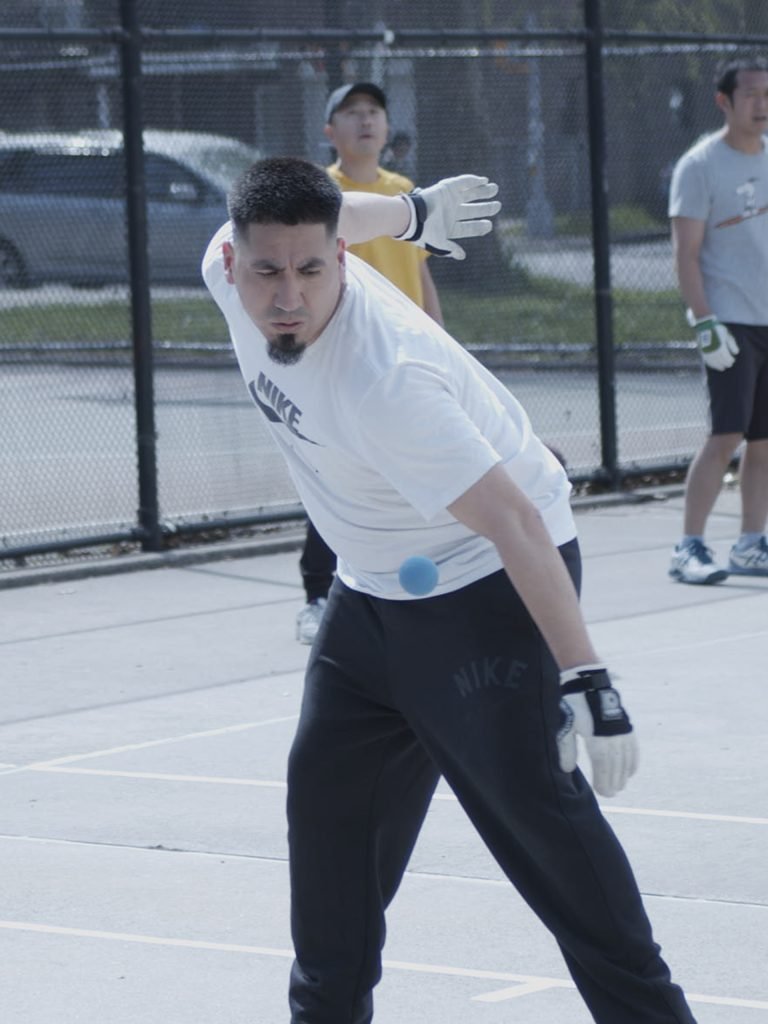
The server stands behind the short line (16 feet from the wall).
The ball must bounce once before hitting the wall and land beyond the short line on the
rebound.
If the serve is faulty (hits too low, goes out of bounds, etc.), it’s a fault. Two faults result
in a side-out (loss of serve).
Only the serving player/team can score points.
If the receiving player/team fails to return the ball legally, the server scores a point.
If the server faults twice or fails to return the ball, it’s a side-out (no point, serve
changes).
No, the ball must hit the wall first (except on the serve, where it must bounce once
before the wall). After the serve, the ball can be played directly off the wall or after one
ground bounce.
Competitions & Variations
Yes! Major tournaments include:
USHA (United States Handball Association) One Wall Nationals
NYC Handball Classic
World Championships (by WPH – World Players of Handball)
Yes! It can be played as:
Singles (1 vs. 1)
Doubles (2 vs. 2)
Some variations include:
"Big Ball" Handball (using a larger ball, often played in schools)
"Irish Handball" (similar but with slightly different rules)
Getting Started
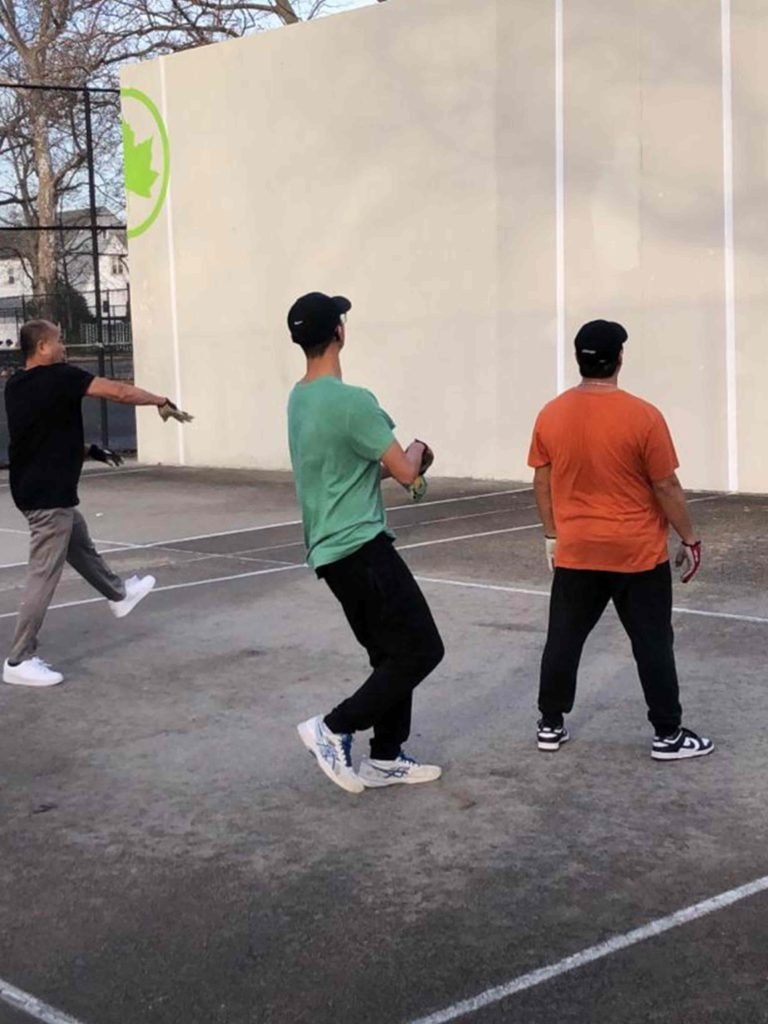
Many public parks (especially in New York, California, and Florida) have handball
courts. Check local recreation centers or schools.
Practice serving and returning against a wall.
Work on footwork and agility.
Watch professional matches for strategy tips.
Absolutely! It improves:
Cardiovascular endurance
Hand-eye coordination
Agility and reflexes
Strength (especially in arms and core)