
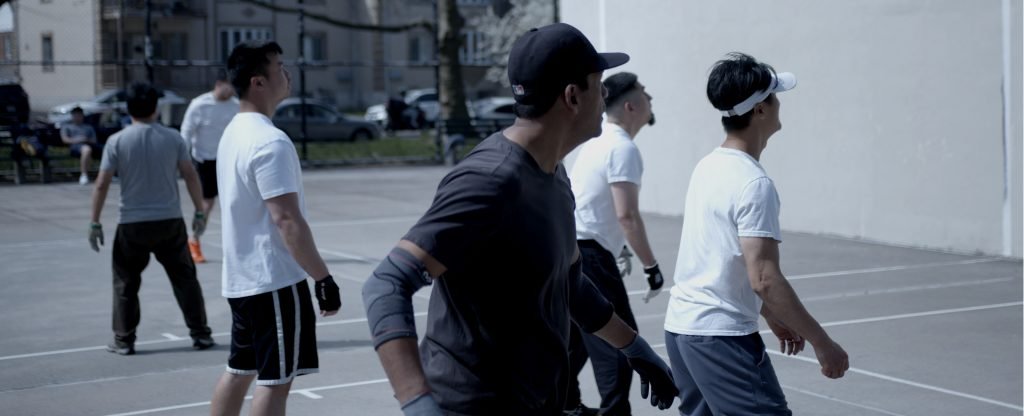
The health of a handball player depends on multiple factors, including physical fitness, injury prevention, nutrition, and mental well-being. Here’s a breakdown of key aspects:
- Physical Fitness
- Cardiovascular Endurance – Handball requires intense bursts of speed and sustained effort, so strong aerobic and anaerobic fitness is crucial.
- Strength & Power – Players need explosive strength for jumps, throws, and tackles, particularly in the shoulders, legs, and core.
- Agility & Speed – Quick lateral movements, changes of direction, and fast reactions are essential.
- Flexibility & Mobility – Reduces injury risk and improves performance in dynamic movements.
- Common Injuries & Prevention
Handball is a high-impact sport, leading to frequent injuries such as:
- Shoulder injuries (rotator cuff strains, dislocations) – Due to repetitive throwing.
- Knee & ankle injuries (ACL tears, sprains) – From jumps, pivots, and collisions.
- Hand & finger fractures – From ball impact or falls.
- Muscle strains (hamstrings, groin) – From sudden sprints and stops.
Prevention Strategies:
- Proper warm-up & cool-down routines.
- Strength training (especially stabilizing muscles).
- Wearing protective gear (knee braces, ankle supports).
- Correct throwing technique to avoid overuse injuries.
- Nutrition & Hydration
- High-energy diet (carbohydrates for endurance, proteins for muscle repair).
- Hydration (critical due to intense sweating in fast-paced matches).
- Post-match recovery (electrolytes, protein shakes, anti-inflammatory foods).
- Mental Health & Recovery
- Stress management – Competitive pressure can lead to burnout.
- Adequate sleep (7–9 hours for muscle recovery and focus).
- Mental resilience training (visualization, mindfulness).
- Long-Term Health Considerations
- Joint wear & tear (shoulders, knees) from repetitive motions.
- Concussion risks (from collisions or falls).
- Balanced training to avoid overtraining syndrome.
Conclusion
A handball player’s health relies on a mix of conditioning, injury prevention, proper nutrition, and mental well-being. Regular medical check-ups, physiotherapy, and sport-specific training help maintain peak performance and longevity in the sport.